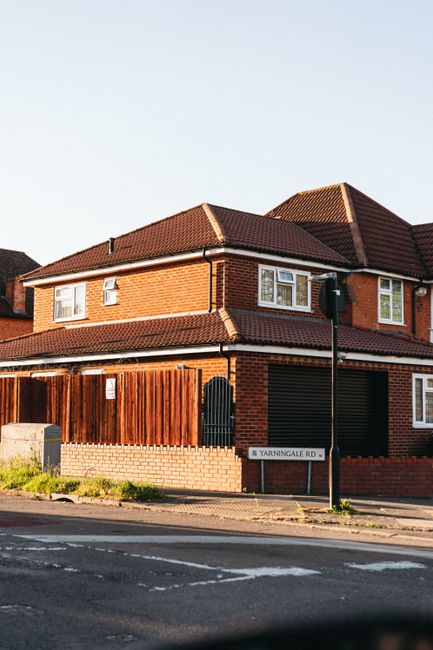
Estate cleaning guide for Perivale Park homeowners
If you own a home in Perivale Park, estate cleaning can feel like one of those jobs that looks straightforward until you actually start. One cupboard leads to another, carpets show every mark in the late light, and suddenly the whole place needs a proper plan. This guide to Estate cleaning guide for Perivale Park homeowners breaks the process into clear, manageable steps so you can clean efficiently, protect surfaces, and avoid the usual last-minute rush. Whether you are preparing a property for sale, dealing with a long-overdue reset, or making sure the house feels fresh before new occupants move in, the aim is the same: clean thoroughly, work safely, and leave the home in a genuinely presentable state.
To be fair, estate cleaning is not just about making things look tidy. It is about removing built-up grime, tackling soft furnishings, dealing with odours, and making sure the property is ready for the next stage without hidden problems left behind. If you get the order right, the whole job becomes much less stressful.
Table of Contents
- Why estate cleaning matters
- How estate cleaning works
- Key benefits and practical advantages
- Who this is for and when it makes sense
- Step-by-step guidance
- Expert tips for better results
- Common mistakes to avoid
- Tools, resources and recommendations
- Law, compliance, standards and best practice
- Options, methods and comparison table
- Case study or real-world example
- Practical checklist
- Conclusion
- Frequently asked questions
Why Estate cleaning guide for Perivale Park homeowners Matters
Estate cleaning matters because the condition of a home affects everything that follows. A well-cleaned property photographs better, feels calmer during viewings, and gives buyers, landlords, or family members a better first impression. In a practical sense, it also helps you spot problems early. A stale smell in one room, for example, might be a simple upholstery issue, or it might point to damp, pet contamination, or a carpet that needs more than a quick vacuum.
In Perivale Park, homes often need a mix of general house cleaning and more targeted work on carpets, rugs, curtains, mattresses, and sofas. Those soft surfaces hold dust and odours far longer than most people expect. You can wipe a kitchen worktop in seconds; a fabric armchair is another story entirely. That is why a proper estate cleaning process is usually more layered than a standard weekly tidy.
Another reason this matters is timing. If you leave everything until the final day, the cleaning becomes reactive and messy. If you plan it in stages, you can handle heavy tasks first, then finish with detailing. It feels better, and the result is better too. Simple, but true.
Expert summary: estate cleaning is most successful when you treat it as a property reset, not just a surface clean. Work from top to bottom, dry to wet, and room by room so nothing gets missed.
How Estate cleaning guide for Perivale Park homeowners Works
The process usually starts with assessment. Walk through the property and note what needs more than routine cleaning. Look for marks on carpets, lingering smells, heavy dust on skirting boards, limescale in bathrooms, grease in the kitchen, and wear on upholstered furniture. This first pass is important because it tells you where to spend time and where to avoid overworking the surface.
From there, the job typically moves in a logical sequence:
- Declutter first. Remove personal items, loose rubbish, and anything that blocks access to floors, corners, or furniture.
- Dry cleaning next. Dust high points, wipe fixtures, vacuum thoroughly, and brush out debris before introducing moisture.
- Target the soft furnishings. Carpets, rugs, sofas, curtains, and mattresses often need specialist attention, especially if there are stains or odours.
- Deep-clean hard rooms. Kitchens and bathrooms need careful attention to hygienic surfaces, fittings, and hidden buildup.
- Finish with detail work. Touch up glass, mirrors, switches, edges, and door frames so the property feels complete.
If the property has children, pets, or a long period of vacancy behind it, the process often needs an extra pass. That is normal. Some houses look clean at a glance but still hold fine dust in vents, corners, or the fibres of a hallway carpet. You notice it most when the sunlight comes in at about 4 pm and every little speck seems to appear all at once. Annoying, yes. Useful, also yes.
Many homeowners choose to combine general cleaning with specialist services such as carpet cleaning, upholstery cleaning, or curtain cleaning when the property needs more than elbow grease. That can save time and usually gives a more even finish than trying to treat difficult fabrics by hand.
Key Benefits and Practical Advantages
The biggest benefit is presentation. A clean, fresh-smelling home feels more spacious and more cared for. That matters if you are preparing a property for sale, settling an estate, or handing keys over after a move. But there are other advantages too.
- Better first impressions: visitors notice floors, fabrics, and odours before they notice the small details.
- Less stress: a structured clean stops the job from becoming overwhelming.
- Improved hygiene: dust, allergens, and bacteria are reduced when you clean properly and consistently.
- Surface protection: removing grime early helps prevent staining and long-term wear.
- Faster turnaround: a planned estate clean is far more efficient than a chaotic last-minute effort.
There is also a practical financial angle. While this guide is not about valuations or sales promises, a tidy, well-maintained property generally gives viewers fewer reasons to hesitate. Even simple things, like fresh rugs or properly cleaned sofas, change how a room is perceived. Soft furnishings carry a lot of visual weight, and if they are tired, the whole room feels tired.
If you want to compare the level of treatment needed, it can help to look at specialist options such as steam carpet cleaning for heavily used flooring, rug cleaning for decorative pieces, or sofa cleaning where seating has absorbed everyday use. Not every home needs all of them, obviously. But many need at least one.
Who This Is For and When It Makes Sense
This kind of estate cleaning is useful for a fairly wide range of Perivale Park homeowners. If you are wondering whether it applies to you, ask a simple question: does the property need to look and feel genuinely ready for someone else to step into? If the answer is yes, the answer is probably yes again.
It makes sense for:
- homeowners preparing to sell
- families clearing a home after a long occupancy
- landlords or private owners between tenancies
- people managing a probate or inherited property
- homeowners finishing building work or a large refurbishment
- busy households that have fallen behind on deep cleaning
There are also moments when estate cleaning is less about image and more about emotional closure. A house that has been lived in for years carries a lot of life in it: shoe marks on the hallway, a smell of cooking in the curtains, a familiar dent in the sofa cushion. Cleaning a property thoroughly can make the place feel neutral again, which is often what you need before handing it on. Truth be told, that can be a relief.
Step-by-Step Guidance
Here is a practical approach that works well in real homes, not just in theory.
1. Start with a room-by-room walkthrough
Make a quick note of what you see in each room. Do not try to clean yet. Just identify the heavy jobs, the easy wins, and anything fragile or damaged. Check carpets, skirting boards, upholstery, blinds, and ceiling corners.
2. Remove clutter and loose items
Pack away ornaments, magazines, old storage boxes, and anything on surfaces. In estate cleaning, access matters. You cannot clean properly around piles of things, and you definitely cannot clean behind them.
3. Dust from the top down
Start high: light fittings, shelves, tops of wardrobes, picture rails, and curtain rods. Then move down to switches, frames, skirting boards, and floors. This stops dust from landing on already cleaned areas. Simple rule, huge time-saver.
4. Deal with kitchens and bathrooms carefully
These rooms usually need the most attention. In kitchens, tackle grease, appliances, sinks, splashbacks, and cupboard fronts. In bathrooms, focus on limescale, grout, taps, mirrors, and ventilation points. If there is mould, treat it cautiously and do not simply cover it with fragrance. That rarely ends well.
5. Deep clean soft furnishings
Use the right method for each fabric. Carpets may need hot water extraction or steam-based cleaning depending on the pile and condition. Sofas, mattresses, and curtains should be assessed individually because fabric type, age, and staining all matter. A one-size-fits-all method can do more harm than good, which is a bit of a nuisance, but there we are.
6. Remove stains properly, not aggressively
Spot treatment should be measured. Blot, do not scrub. Test a small area if you are unsure. If a stain has set in, a careful professional treatment is usually safer than repeated DIY attempts. Over-wetting can spread staining into the backing or padding, and then you have a bigger job than before.
7. Finish with floors, glass, and touch points
Vacuum thoroughly, mop hard floors, clean mirrors and windows where relevant, and wipe handles, banisters, and switches. These final details are what make the property feel finished rather than merely cleaned.
For homes with pets, odours and fabric contamination deserve special attention. If you have ever walked into a room and immediately noticed a lingering pet smell, you know exactly what I mean. In those cases, pet stain odour removal can be a better route than repeated deodorising sprays, which mostly just create a complicated smell situation.
Expert Tips for Better Results
A few small habits make a big difference. They are not glamorous, but they work.
- Always vacuum before wet cleaning. If you skip this, dirt turns into slurry and makes the job harder.
- Use fresh cloths in each zone. Bathroom cloths should not wander into kitchen worktops. Common sense, but worth saying.
- Open windows where possible. Ventilation helps drying and reduces that heavy post-clean smell.
- Lift furniture carefully. Check feet and bases before moving large items, especially on older flooring.
- Let fabrics dry fully. Damp carpets and sofas can attract odours if they are put back into use too soon.
- Do the worst room first. Morale improves fast when the hardest area is already behind you.
One useful professional habit is to set expectations by material rather than by room. For example, a bedroom with a wool rug, a fabric headboard, and a mattress will need different treatment from a spare room with laminate and a simple blind. That sounds obvious, but it saves mistakes. A lot of mistakes.
If the home includes expensive or delicate furnishings, it may be worth looking at mattress cleaning and upholstery cleaning as separate tasks rather than treating them as add-ons. The materials and moisture levels are different, and the results are usually better that way.
Common Mistakes to Avoid
Most estate cleaning problems come from rushing, using the wrong product, or trying to make one technique do everything. Here are the big ones to watch for.
- Cleaning in the wrong order: if you mop before dusting, you will end up doing the floor twice.
- Using too much water: excess moisture can damage timber, soften backing materials, and leave lingering damp smells.
- Scrubbing stains aggressively: that often pushes the stain deeper into the fibres.
- Ignoring odours: if a room smells stale, there is usually a reason worth finding.
- Forgetting hidden areas: under beds, behind radiators, around radiators, and along skirting boards are the usual culprits.
- Mixing products: never combine cleaning chemicals unless the instructions clearly allow it.
Another common mistake is treating the whole property like a single room. It is not. A hallway carpet, a kitchen floor, a velvet sofa, and a bathroom mirror all need different handling. Slightly more work, yes. Better result, absolutely.
Tools, Resources and Recommendations
You do not need a warehouse full of kit, but the right tools matter. A sensible estate cleaning kit usually includes:
- a strong vacuum cleaner with attachments
- microfibre cloths
- bucket and mop or flat mop system
- soft brushes for edges and detailing
- non-abrasive surface cleaners
- glass cleaner
- protective gloves
- spare cloths for kitchen and bathroom areas
- stain treatment suitable for the fabric or floor type
For tougher jobs, specialist services can be the better recommendation. Hallway carpets that have seen years of foot traffic often respond well to carpet cleaning, particularly when dirt has built up in the pile. Upholstered chairs and sofas can benefit from proper extraction methods, and curtains sometimes need more than a quick vacuum if they have absorbed smoke, cooking odours, or general household dust.
If you are comparing service levels, ask what is included, how long drying may take, and what happens if the fabric is delicate. That conversation is worth having before the clean, not after. You will save yourself the irritation of surprises, and nobody enjoys surprises in a half-cleared lounge.
Law, Compliance, Standards and Best Practice
For homeowners, estate cleaning is not usually a heavily regulated activity in itself. Even so, good practice still matters. If you are arranging work in a property, especially where chemicals, electrical equipment, or water extraction are involved, safety should be taken seriously. The sensible approach is to choose methods that match the material and the condition of the property rather than pushing for the fastest possible result.
In the UK, many householders also prefer providers who can show clear information about health and safety practice and insurance and safety. That is not bureaucracy for its own sake. It is reassurance that equipment, cleaning methods, and site conduct are being handled professionally.
Best practice usually includes:
- checking surface compatibility before applying moisture or chemicals
- protecting wood, sockets, and sensitive items from over-wetting
- keeping ventilation in mind during and after cleaning
- using documented, traceable cleaning methods where appropriate
- treating waste and packaging responsibly
There is also a straightforward privacy point if you are clearing someone else's home or handling sensitive personal items. Keep personal papers, photographs, and documents separate and secure. It sounds basic because it is basic, and yet it gets missed surprisingly often.
If sustainability is important to you, it can be sensible to favour cleaning choices that reduce waste and water use where possible. A thoughtful approach to recycling and sustainability is often a good fit for homeowners who want the process done responsibly, not just quickly.
Options, Methods and Comparison Table
Different properties need different approaches. The table below gives a simple comparison to help you decide what fits best.
| Method | Best for | Advantages | Limitations |
|---|---|---|---|
| Standard DIY cleaning | Light refresh, low build-up | Low cost, immediate control | Can miss deep dirt and odours |
| Targeted spot treatment | Small stains or isolated marks | Fast and focused | Risk of spreading stains if done badly |
| Deep estate clean | Whole-property reset | More thorough, better finish | Takes planning and time |
| Specialist fabric and carpet cleaning | Carpets, sofas, rugs, curtains, mattresses | Better for fibres, odours, and heavy use | Needs the right method and drying time |
In practice, many Perivale Park homeowners end up combining methods. That is often the smartest route. A kitchen may be perfect with ordinary cleaning, while the living room carpet and family sofa need specialist attention. There is nothing unusual about that at all.
Case Study or Real-World Example
Imagine a family home in Perivale Park that has been occupied for many years and is now being prepared for sale. The kitchen looks acceptable at first glance, but the oven area has old grease, the hallway carpet has tracked-in dirt, and the lounge carries a faint pet smell that seems to get worse when the heating is on. Nothing dramatic. Just enough to make the house feel tired.
The clean begins with decluttering and dusting. The team works room by room, removes loose debris, and then tackles the hardest surfaces. The hallway carpet receives deep cleaning, the sofa is treated for odours and general wear, and the curtains are refreshed because they have quietly absorbed household smells over time. In the bathroom, limescale and soap residue are removed properly instead of hidden under fragrance. By the afternoon, the property feels lighter, cleaner, and much more open.
What changed? Not one giant miracle. A series of sensible decisions. The biggest difference was probably the order of work. Once the soft furnishings were treated and the odour sources dealt with, the house stopped feeling "lived-in" in the wrong way and started feeling ready again. That is the goal, really.
Practical Checklist
Use this checklist before, during, or after the clean. It keeps the process grounded.
- Walk through every room and note problem areas
- Remove clutter, valuables, and loose items
- Vacuum before any wet cleaning starts
- Dust from high surfaces down to floors
- Clean kitchens and bathrooms thoroughly
- Treat carpets, rugs, sofas, and curtains as separate materials
- Check stains before using any chemical
- Ventilate rooms during and after cleaning
- Allow enough drying time for fabrics and carpets
- Do a final walk-through in daylight if possible
If you are short on time, prioritise the rooms people notice first: hallway, living room, kitchen, and main bathroom. Those areas shape the whole impression. Everything else can follow.
Conclusion
A proper estate cleaning plan is less about perfection and more about sequence, judgement, and care. For Perivale Park homeowners, the main thing is to start with a clear assessment, handle dust and clutter first, then move on to the surfaces and soft furnishings that hold the most dirt and odour. If you do that, the property feels cleaner, fresher, and far more ready for whatever comes next.
And honestly, that last stage matters. When a home has been properly cleaned, it is easier to hand over, easier to show, and easier to let go of. A fresh room can feel like a bit of breathing space, which is no small thing.
Get a free quote today and see how much you can save.
Frequently Asked Questions
What is estate cleaning for homeowners?
Estate cleaning is a thorough property clean designed to prepare a home for sale, handover, inheritance clearance, or a fresh start after long occupancy. It usually goes beyond basic housework and includes carpets, soft furnishings, kitchens, bathrooms, and detailed finishing.
How is estate cleaning different from regular cleaning?
Regular cleaning keeps a home tidy on a day-to-day basis. Estate cleaning is more intensive and more strategic. It focuses on removing built-up dirt, stains, and odours so the property feels reset rather than just maintained.
Do I need professional help for estate cleaning?
Not always. If the property is small and lightly used, you may manage it yourself. But if there are deep stains, lingering smells, large carpets, or delicate upholstery, professional support can save time and reduce the risk of damage.
Which rooms should I clean first?
Start with the most cluttered or heavily used areas, then move from top to bottom. Hallways, kitchens, and living rooms often come first because they set the tone for the rest of the property.
How do I remove stale smells from a house?
Find the source first. Carpets, sofas, curtains, and mattresses are common culprits. Ventilation helps, but if the odour is embedded in fabric, specialist treatment is usually more effective than masking it with air freshener.
Can carpets be cleaned during an estate clean?
Yes, and in many homes they should be. Hallway and living room carpets often carry the most visible wear. A proper clean can improve the appearance of the whole property, especially when the carpet is one of the first things people see.
How long does estate cleaning usually take?
It depends on property size, condition, and whether soft furnishings need special treatment. A light refresh can be done quickly, while a full property reset may take a full day or more. Drying time also matters, particularly for carpets and upholstery.
Is steam cleaning safe for all fabrics?
No, not all fabrics respond well to steam or moisture-based cleaning. Some delicate materials need gentler methods. It is best to check the fabric type first and use a method suited to the item, not just the room.
What should I do before cleaners arrive?
Remove personal items, valuables, and clutter where possible. Make sure there is clear access to each room, and flag any fragile surfaces, pet issues, or stains that need attention. A little preparation goes a long way.
How do I avoid damaging upholstery or curtains?
Use the correct product, test a small hidden area first, and avoid saturating the fabric. If you are not sure what the material is, treat it conservatively. That cautious approach is often the safest one.
Are there safety checks I should look for?
Yes. If you are using a cleaning provider, it is sensible to review their health and safety approach, insurance details, and how they handle equipment and moisture around the home. Good practice should always be visible, not hidden.
What is the best way to finish an estate clean?
Do one final walk-through in good light. Check corners, mirrors, skirting boards, and touch points. It is usually the last 10 percent of effort that makes the property feel properly complete.