Avoid hidden cleaning charges in Perivale what to watch for
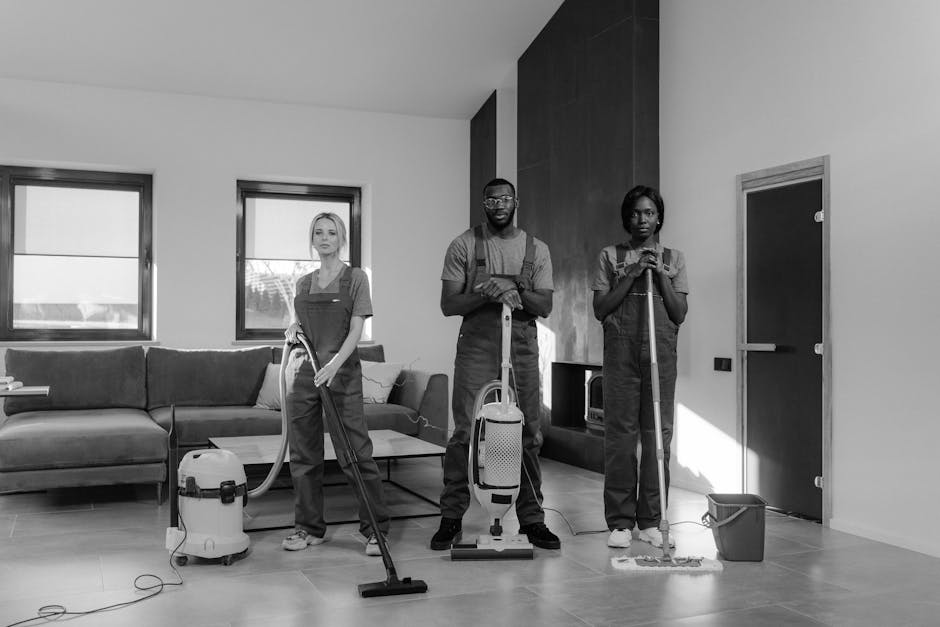
If you have ever agreed a cleaning price and then felt your stomach drop when extras started appearing, you are not alone. Hidden cleaning charges can turn a simple booking into a frustrating one very quickly. This guide on Avoid hidden cleaning charges in Perivale what to watch for breaks down the warning signs, explains how pricing should work, and shows you how to compare quotes without getting caught out. Whether you need a one-off deep clean, regular domestic help, or specialist carpet and upholstery care in Perivale, the same basic rule applies: clarity first, surprises never.
Truth be told, most bad experiences are avoidable. The issue is usually not that a company is trying to be awkward from the start; it is that the pricing conversation was too vague. By the time the cleaner arrives, the job has "grown" in price because access, stain treatment, parking, minimum charges, or time-based labour were never discussed properly. A little preparation goes a long way.
Below, you will find practical checks, a comparison of pricing approaches, a real-world example, and a simple checklist you can use before you book. It is straightforward stuff, but it saves hassle.
Why hidden cleaning charges in Perivale matter
Hidden charges matter because cleaning is one of those services people often buy quickly, under time pressure, and with limited technical knowledge. You are probably not comparing pH levels or extraction times. You just want a clean home, office, sofa, or carpet without feeling misled. That makes pricing transparency especially important.
In Perivale, as in most parts of London, customers often want fast quotes and flexible appointments. That can be useful, but it can also create a rushed booking process. If a company gives a very low headline price and then adds fees for parking, stairs, room size, heavy soiling, pet treatment, or "minimum call-out", the original quote stops being meaningful. And that is where trust gets damaged.
It also affects comparison shopping. Two quotes can look similar at first glance, but one may include stain removal, cleaning solution, and travel, while another excludes all three. Without checking the small print, you are not really comparing like for like. You are comparing a complete service with a half-finished one. Not ideal.
There is also a practical side. If you are arranging cleaning around a tenancy change, family event, school run, or business opening, a surprise fee can disrupt the whole plan. Nobody wants to negotiate over extras while movers are downstairs or guests are on the way. You want certainty. Plain and simple.
How hidden cleaning charges in Perivale what to watch for works
Most cleaning charges fall into one of three patterns: fixed-price, inspection-based, or time-based. Each one can be fair if explained properly. The trouble begins when the pricing model is not made clear.
1. Fixed-price quotes
A fixed price usually covers a defined task, such as a standard carpet clean for a set number of rooms or a sofa clean for one item. The benefit is obvious: you know what you are paying. The catch is that the quote may only apply if the property matches the company's assumptions. If the cleaner arrives and discovers heavy staining, difficult access, or extra items, they may charge more.
2. Inspection-based pricing
Some firms prefer to confirm the price after seeing the job. That can be fair for larger or more complex work. It does, however, mean you need a clear explanation of what could change the cost. If the company says "prices from" and nothing else, ask what actually causes the price to move.
3. Time-based pricing
Time-based pricing means you pay for hours worked, often with a minimum booking. This can be practical for deep cleans or mixed tasks. But it can also be risky if the scope is vague. For example, if you expected a two-bedroom flat clean and the cleaner expected a light refresh, the clock can become the battleground. Nobody enjoys that.
What to watch for? Look for extra line items, unclear exclusions, and charges that only appear after the job starts. Common examples include:
- parking or congestion-related costs
- minimum call-out fees
- fees for moving furniture
- charges for heavy staining or pet odour treatment
- costs for additional rooms, mats, rugs, or upholstery items
- surcharges for weekend, evening, or same-day appointments
- specialist products for delicate materials
If a quote is not written in simple, specific language, treat that as a signal to pause and ask more questions. Just a quick pause. It helps.
Key benefits and practical advantages
Avoiding hidden charges is not only about saving money. It also improves the whole cleaning experience from start to finish.
- Clear budgeting: You can plan properly if you know the full price before work begins.
- Better comparisons: Transparent quotes make it easier to compare services fairly.
- Less stress on the day: No awkward price changes when the cleaner arrives.
- More trust: Clear pricing usually reflects a more organised business overall.
- Better service fit: When you discuss add-ons early, the cleaning package can be matched to the actual job.
There is another benefit people often miss: better outcomes. When the scope is clear, the cleaner arrives with the right tools, the right chemicals, and the right expectations. That matters whether you are booking carpet cleaning, upholstery cleaning, or a more specialised service like stain removal. Better briefing, better result. Usually.
It also protects you from overpaying for things you do not actually need. If your sofa only needs a light freshen-up, you should not be pushed into a deep treatment package with every possible add-on attached.
Who this is for and when it makes sense
This guide is useful for anyone booking domestic or commercial cleaning in Perivale, but some people need it more than others.
- Homeowners and tenants: Especially when moving, preparing for guests, or dealing with stains and odours.
- Landlords and letting agents: A clear price avoids disputes and delays between occupants.
- Busy families: When time is tight, you do not want to spend the evening untangling invoices.
- Small businesses: Offices, shops, and rented commercial spaces often need regular cleaning with predictable costs.
- Anyone booking specialist cleaning: Rugs, mattresses, curtains, and leather can attract extra charges if the job is not scoped carefully.
It makes the most sense before you book, but also after you receive a quote that feels a bit too neat. If the price is suspiciously low, ask what is missing. If the price is high, ask what is included. Both questions are valid. In fact, both are smart.
Perivale residents often juggle practical constraints too: limited parking, flats with shared access, older properties with narrow hallways, and appointment windows that have to fit around work or school. These are not unusual problems, but they do need to be priced correctly. A cleaner who understands the job will usually explain them early.
Step-by-step guidance
If you want to avoid surprise fees, use a simple process. It does not need to be complicated.
Step 1: Define exactly what needs cleaning
Write down the rooms, surfaces, items, and problem areas. For example: two bedrooms, one hallway carpet, one three-seater sofa, one rug, and pet odour in the lounge. That is much better than saying "a general clean". General always becomes vague, and vague can become expensive.
Step 2: Ask what the quote includes
Ask whether the price covers labour, products, equipment, travel, parking, VAT if applicable, and any minimum booking charge. If the company cannot answer clearly, that is a warning sign.
Step 3: Check likely extras before booking
Ask about heavy staining, mould, pet accidents, fragile fabrics, upper floors, restricted access, and urgent bookings. These are the usual suspects. Not always, but often enough to matter.
Step 4: Request a written quote
A message or email is ideal because it creates a record. You do not need legal language; you just need clarity. A written quote should explain what is included, what is excluded, and what would trigger an extra charge.
Step 5: Compare several providers on the same basis
Do not compare one firm's total price against another firm's starting price. That is apples and pears. Build a small comparison table for yourself, even on paper. Include total cost, inclusions, timing, and any extras mentioned.
Step 6: Confirm the day-of-job details
Before the appointment, confirm access, parking, estimated duration, and any items that need moving. If a parking permit is needed, mention it. If the property is on the third floor with no lift, say so. It saves everyone a headache.
Step 7: Inspect the invoice before paying
When the work is done, check that the invoice matches the quote. If there are extra charges, ask for the reason in plain English. A decent company will explain. No drama, no fog.
Expert tips for better results
These are the small habits that make a big difference. Honestly, they save more money than most people expect.
- Use specific wording: Say "stair carpet with pet staining" rather than "stairs need cleaning".
- Send photos if possible: A few clear pictures can reduce misunderstandings, especially for stains or damaged areas.
- Ask for itemised pricing: A breakdown helps you see what is optional and what is essential.
- Watch for vague phrases: "Subject to inspection" is not bad by itself, but it should be explained.
- Keep your own notes: Save the quote, the service date, and any agreed extras in one place.
- Check the fine print on minimum charges: A short job can still attract a full minimum fee.
One practical tip many people forget: ask what happens if the cleaner finds a problem halfway through. Will they stop and ask? Will they continue and bill extra? Knowing the process in advance prevents that awkward silence where everyone is politely waiting for someone else to speak.
If you are booking specialist services like sofa cleaning or mattress cleaning, make sure the company knows the fabric type, age of the item, and any previous treatment. That is not overkill. It is just sensible.
Common mistakes to avoid
Most billing surprises come from a handful of common mistakes. The good news is that all of them are avoidable.
- Choosing the cheapest headline price: Low starting prices can hide a long list of extras.
- Not describing the job properly: "Needs a clean" is too vague to be useful.
- Assuming every quote is all-inclusive: Sometimes it is. Often it is not.
- Forgetting about access issues: Stairs, parking, security codes, and limited loading space can affect the final bill.
- Ignoring the small print: A quick read can save a lot of trouble.
- Not asking about specialist treatment: Stains, pet odours, and delicate fibres may need different products and different pricing.
A classic one is the "we'll sort it on the day" approach. Sounds relaxed. Feels easy. Usually not great for your wallet. If the price matters, nail it down before anyone turns up with hoses, cloths, and a cheerful smile.
Tools, resources and recommendations
You do not need fancy tools to protect yourself from hidden charges. A few simple habits and documents will do most of the work.
- Your phone camera: Take photos of the areas to be cleaned before the appointment.
- A written quote: Save it in your messages or email so you can refer back to it.
- A short checklist: Write down rooms, items, stains, and access notes.
- Measurement notes: Approximate room sizes help for carpets, rugs, and larger upholstery jobs.
- Payment confirmation: Keep a record of what method was agreed and when payment is due.
On the service side, a good cleaning provider should have clear information pages that explain the main services, pricing approach, safety, and complaints process. For example, it helps when a company makes its pricing and quotes policy easy to find, along with pages about terms and conditions and payment and security. That kind of transparency is reassuring for anyone comparing options.
If sustainability matters to you, it is reasonable to ask what products are used and how waste is handled. Some customers also like to check a company's approach to recycling and sustainability. Small detail, maybe. But people care, and fair enough.
Law, compliance, standards, and best practice
Cleaning pricing itself is usually a commercial agreement, so the most important thing is that the terms are clear, fair, and not misleading. In the UK, consumer protection principles generally expect traders to give accurate information about price and service before work begins. For you as a customer, that means the quote should not be ambiguous in a way that later becomes inconveniently expensive.
Best practice in this area is straightforward:
- the service description should match the actual job
- any exclusions should be stated clearly
- extra charges should be disclosed before they are applied
- the customer should have a fair chance to ask questions
- any complaint route should be visible and usable
It is also sensible to check whether the company has clear information on insurance and safety and a visible complaints procedure. Those pages do not guarantee a perfect job, of course. Nothing does. But they do suggest an organised business that understands accountability.
For higher-risk work, such as cleaning fragile upholstery, tackling heavy contamination, or handling properties with access constraints, a careful approach matters even more. If you feel uncertain, ask the cleaner to explain the process in plain language before confirming. A responsible provider should be comfortable doing that.
Options, methods, and comparison table
Different pricing methods suit different jobs. The point is not that one is always better, but that one should be clearly explained. Here is a simple comparison to help you spot where hidden charges tend to appear.
| Pricing method | Good for | Watch for | Best question to ask |
|---|---|---|---|
| Fixed price | Standard carpets, sofas, or repeat domestic jobs | Hidden exclusions, minimum charges, add-ons for stains or access | "What is included in the stated price?" |
| Inspection-based price | Large, unusual, or very dirty jobs | Price changes after inspection without enough explanation | "What factors could increase the final cost?" |
| Hourly rate | Deep cleans, mixed tasks, flexible schedules | Scope creep and unclear expectations | "What outcome should I expect within the booked time?" |
| Package price | Combined services such as carpets plus upholstery | Unclear boundaries between included and optional items | "Which items are covered, and which are extra?" |
Package pricing can be useful if you need several things cleaned at once. For example, carpets and upholstery may be bundled more neatly than booked separately. Just make sure the bundle is genuinely cheaper or more convenient, not just dressed up that way. You know the trick: a bundle is only a bargain if the bits inside are useful to you.
Case study or real-world example
A Perivale resident booked a cleaning service for a two-bedroom flat after a long renovation project. The quote looked attractive at first. It covered "whole flat cleaning" at a tidy price, which sounded straightforward. But when the cleaner arrived, the price changed because the quote had not included post-build dust removal from skirting boards, internal windows, and hallway access complications. There was also a charge for "heavy soil level", which had never been discussed.
What could have gone better? Quite a lot, to be fair. The customer had not sent photos, and the provider had not asked enough follow-up questions. A simple written checklist and a few images would probably have clarified the true scope. The final job was still completed, but the original budget was blown and the customer felt misled.
Now compare that with a better outcome. Another customer booking steam carpet cleaning for a family home in Perivale sent pictures of the living room, mentioned two pet accidents, and asked for the total cost including stain treatment. The provider confirmed what was included, explained the extra for odour treatment, and put it in writing. No surprises. Same town, very different experience.
The difference was not luck. It was clarity.
Practical checklist
Use this checklist before confirming any cleaning job. You can copy it into your notes if that helps.
- Have I described every room, item, or surface clearly?
- Did I ask for the full price, not just the starting price?
- Do I know whether products, labour, and travel are included?
- Did I ask about parking, stairs, access, and minimum charges?
- Are stain treatment, pet odour removal, or specialist fabric care included or extra?
- Have I asked for the quote in writing?
- Do the terms and conditions match what I was told?
- Do I understand how payment works and when it is due?
- Is there a complaints procedure if something goes wrong?
- Have I compared at least two quotes on the same basis?
If you can tick most of those boxes, you are in a far stronger position. Not perfect maybe, but properly informed. And that counts for a lot.
Conclusion
Avoiding hidden cleaning charges in Perivale comes down to one thing: getting the real cost clear before the work starts. Ask what is included, ask what is extra, and ask for the answer in writing. That simple habit protects your budget, reduces stress, and usually leads to a better cleaning outcome as well.
It does not matter whether you are booking carpets, upholstery, curtains, or a full-property clean. The same principles apply. Be specific, compare like for like, and pay attention to the details that are easy to skip when you are busy. That little bit of diligence can save a surprising amount of money and hassle.
If you are still comparing options, take one more minute to review the quote carefully and make sure the service matches what you actually need. Calm, clear, and proper. That is the sweet spot.
Get a free quote today and see how much you can save.
Frequently Asked Questions
What are the most common hidden cleaning charges in Perivale?
The most common extras are parking, stairs, heavy staining, pet odour treatment, minimum call-out fees, weekend surcharges, and charges for additional rooms or items. They are not always unfair, but they should be stated clearly before booking.
How do I know if a cleaning quote is truly all-inclusive?
Ask for a written breakdown that confirms labour, products, travel, VAT if relevant, access assumptions, and any special treatments. If the company uses vague wording like "from" without explanation, request more detail.
Should I expect extra charges for pet stains or odours?
Often, yes. Pet-related work can require stronger products, more time, or repeat treatment. A good provider will explain this up front rather than spring it on you later.
Are cheap cleaning quotes always risky?
Not always, but very cheap quotes deserve a closer look. Sometimes they are genuine offers. Sometimes the price is low because important services are missing. Check the inclusions before assuming you have found a bargain.
Is it better to choose hourly or fixed-price cleaning?
It depends on the job. Fixed pricing is usually easier for standard tasks, while hourly pricing can suit open-ended or mixed jobs. The key is clarity. If the scope is vague, hourly pricing can get expensive fast.
What should I ask before booking a cleaner in Perivale?
Ask what is included, whether there are minimum charges, how parking and access are handled, what counts as a specialist extra, and whether the quote can be confirmed in writing. Those five questions cover a lot.
Can hidden charges be added after the job starts?
They can be, but they should only happen if the extra work was not reasonably foreseeable and the company explains it clearly. If something changes, you should be told before the extra work is carried out whenever possible.
Do I need to mention stairs, lifts, or parking in advance?
Yes. It is one of the easiest ways to prevent surprises. In London, access details can make a real difference to the time and cost of a visit, especially for flats or restricted streets.
How can I compare two cleaning quotes properly?
Compare the same things: service scope, products, travel, access assumptions, add-ons, and payment terms. If one quote includes more than the other, the lower number may not actually be cheaper.
What if the final invoice is higher than the agreed quote?
Ask for an explanation right away and compare it with the written quote. If the extra charge was not discussed, you have every right to question it. A reputable company should be able to justify the change clearly.
Should a cleaning company have terms and conditions and a complaints process?
Yes, that is a good sign. Clear terms and a visible complaints process show that the business takes accountability seriously. It does not guarantee perfection, but it does suggest a more organised service.
What is the easiest way to avoid surprise fees altogether?
Describe the job carefully, ask for the full cost in writing, and confirm any possible extras before the appointment. That simple routine prevents most of the headaches people run into.